

There are many types of logos, but choosing the right logo is one of the most important steps in building a strong brand identity. Your logo is often the first impression customers have of your business, and it needs to communicate your brand’s personality, values, and professionalism at a glance. But did you know there are several different types of logos, each with its own unique style, purpose, and impact?
In this comprehensive guide, we’ll explore the main logo types, their characteristics, and when to use them. Whether you’re a startup founder, business owner, or designer, understanding these logo styles will help you make informed decisions and create a memorable brand identity.
If you’re new to logo design, be sure to check out our detailed What Is Logo Design? A Complete Guide for foundational insights into logo creation and branding.
1. Wordmark Logos (Logotypes)
What Are Wordmark Logos?
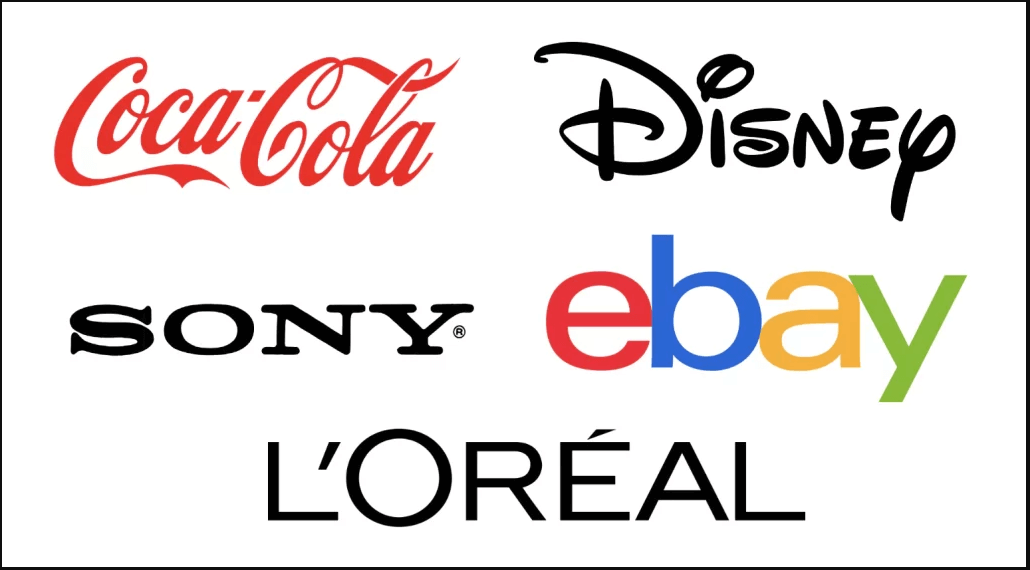
Wordmark logos, also called logotypes, are text-based logos focusing entirely on the brand’s name. They use custom typography or stylized fonts to create a unique visual identity through the company’s name alone.
Famous Examples
-
Sony
-
Coca-Cola
-
Ebay
- Disney
When to Use Wordmark Logos
Wordmark logos work best for brands with distinctive and memorable names. They are ideal when you want to build strong brand recognition around your name and ensure clarity and simplicity.
Advantages and Disadvantages
Advantages:
-
Easy to recognize and remember.
-
Works well across different media and sizes.
-
Clear communication of brand name.
Disadvantages:
-
Less visual impact compared to symbols.
-
Can be challenging if the brand name is long or complex.
2. Lettermark Logos (Monogram Logos)
What Are Lettermark Logos?
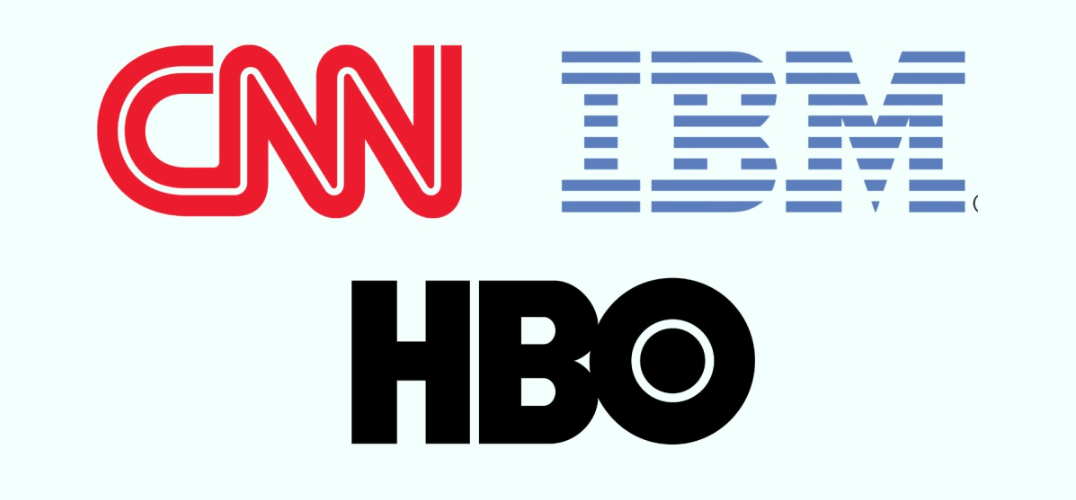
Lettermark logos use the initials or acronyms of a brand name instead of the full name. They are a great way to simplify long or complicated brand names into a compact and memorable symbol.
Famous Examples
-
IBM
-
HBO
-
CNN
Best Use Cases
Lettermarks are perfect for companies with lengthy names or those that want to emphasize their initials as a recognizable shorthand.
Pros and Cons
Pros:
-
Simplifies complex brand names.
-
Easy to remember and versatile.
-
Works well for businesses with long or multi-word names.
Cons:
-
May require more marketing to build brand recognition.
-
Less descriptive about what the brand does.
3. Pictorial Mark Logos (Logo Symbols)
What Are Pictorial Mark Logos?
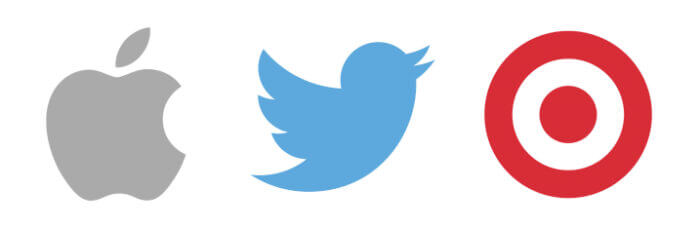
Pictorial marks are icon or symbol-based logos that use a graphic image to represent the brand. These logos rely on a simple, recognizable image that conveys the brand identity without words.
Famous Examples
-
Apple
-
Twitter
-
Target
When to Choose Pictorial Marks
These logos are ideal for brands that want a strong visual symbol that can stand alone and be instantly recognizable, even without text.
Benefits and Challenges
Benefits:
-
Highly memorable and visually striking.
-
Works well for global brands transcending language barriers.
-
Versatile across different platforms.
Challenges:
-
Can be difficult to create a unique and meaningful symbol.
-
May require strong brand awareness for recognition.
4. Abstract Logo Marks
Abstract Logo Marks
What Makes Abstract Logos Different?
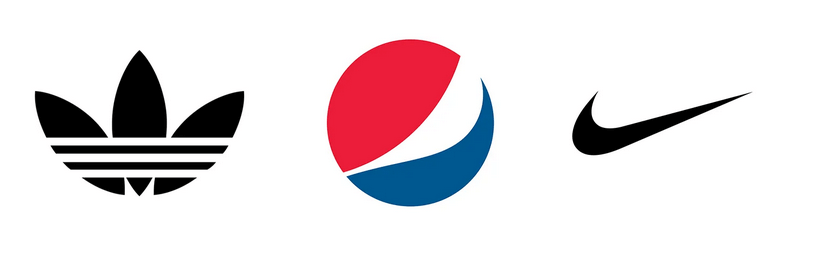
Abstract logos use geometric shapes or abstract forms instead of literal images. Unlike pictorial marks, they don’t represent a recognizable object but instead convey ideas, emotions, or brand values through shapes and colors.
Examples
-
Nike swoosh
-
Pepsi
-
Adidas
Use Cases and Brand Positioning
Abstract logos are great for brands wanting a modern, innovative, and flexible identity that can evolve over time without being tied to a specific image.
Advantages and Disadvantages
Advantages:
-
Unique and creative.
-
Can communicate complex brand values symbolically.
-
Highly versatile.
Disadvantages:
-
May be harder for new audiences to immediately understand.
-
Requires strong branding efforts.
5. Mascot Logos
What Are Mascot Logos?
Mascot logos feature illustrated characters or mascots that represent the brand personality. These logos are often fun, engaging, and create a friendly connection with the audience.
Famous Examples
-
KFC’s Colonel Sanders
-
Michelin Man
-
Reddit
Best Industries for Mascot Logos
Mascots work well in industries targeting families, children, or casual consumers, such as food, sports, and entertainment.
Pros and Cons
Pros:
-
Creates a strong emotional connection.
-
Highly memorable and personable.
-
Great for storytelling and brand engagement.
Cons:
-
Can be less formal or serious.
-
May not suit all industries or brand personalities.
6. Combination Logos
What Are Combination Logos?
Combination logos blend text and symbols or mascots to create a versatile and comprehensive brand mark. They allow brands to use the icon, text, or both together depending on the context.
Examples
-
Burger King
-
Lacoste
-
Doritos
Why Brands Choose Combination Logos
Combination logos offer flexibility and clarity, making them suitable for businesses that want both a recognizable icon and clear brand name display.
Benefits and Challenges
Benefits:
-
Versatile across different media.
-
Combines the strengths of text and imagery.
-
Easier brand recognition.
Challenges:
-
Can become cluttered if not designed well.
-
Requires careful balance between elements.
7. Emblem Logos
What Are Emblem Logos?
Emblem logos feature text inside a symbol or badge, often with a traditional or vintage look. They resemble seals, crests, or badges and are commonly used by schools, government agencies, and automotive brands.
Examples
-
Starbucks
-
Harley-Davidson
-
NFL
When to Use Emblem Logos
Emblems are perfect for brands wanting to convey heritage, authority, and trustworthiness with a classic and formal appearance.
Pros and Cons
Pros:
-
Strong, authoritative visual impact.
-
Great for traditional or established brands.
-
Often highly detailed and unique.
Cons:
-
Can be less versatile in small sizes.
-
Complex designs may not scale well.
Conclusion
Choosing the right logo type is crucial to establishing a strong and memorable brand identity. Whether you prefer the simplicity of a wordmark, the visual impact of a pictorial mark, or the personality of a mascot logo, each logo style serves a unique purpose and audience.
When selecting your logo type, consider your brand’s personality, industry, target audience, and long-term goals. A well-chosen logo type, combined with strong design principles, will help your brand stand out and connect with customers.
Ready to create a logo that elevates your brand? Explore our professional logo design services or contact us for a personalized consultation today!


